The 30-Minute Venue Recce: Walk the Event in Order
Use a chronological venue site visit checklist to test arrival, guest movement, programme, service and load-out in 30 focused minutes.
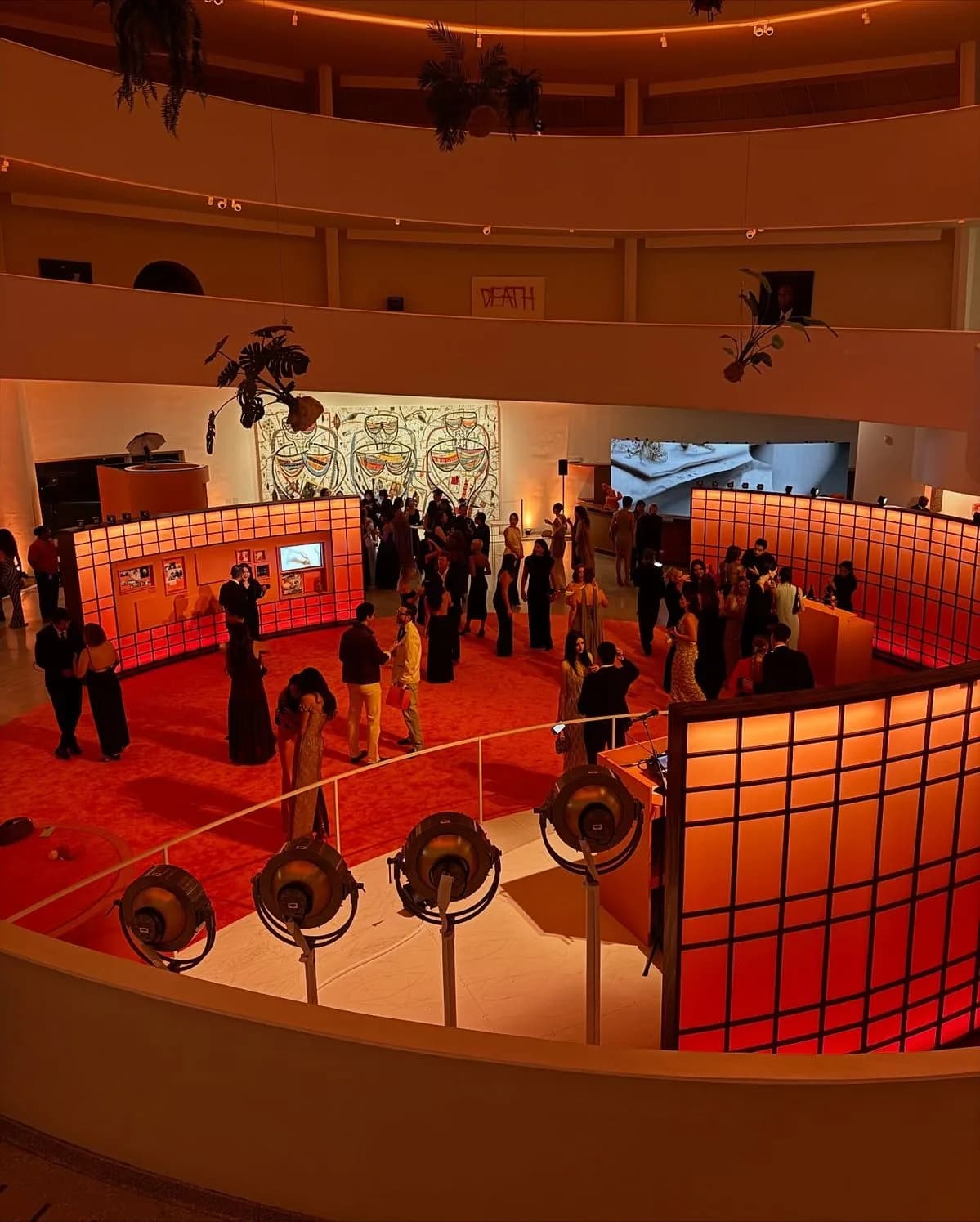
A room tour usually begins at the prettiest wall. An event does not. It begins at the vehicle stop, the building entrance or the moment a guest looks for the correct door.
Use a venue site visit to walk the event in chronological order. Follow people, equipment, food and waste from arrival to departure. Spend the final minutes proving unknowns with photographs, measurements and tests. Leave with three lists: confirmed, unresolved and unacceptable.
This 30-minute recce is a planning tool, not a regulatory, safety or accessibility inspection. Ask qualified people to assess matters outside your expertise.
Before you arrive
Send the host the same one-page venue brief used for every shortlist. Include your expected and maximum people, access period, programme sequence, vendors, equipment and deal-breakers.
Ask the person who understands building operations to join or remain reachable. The person selling the room may not manage lifts, power, neighbouring activity or handover.
Bring:
- a phone with enough battery and storage
- a measuring tape or laser measure you know how to use
- the event sequence and a rough layout
- a short equipment or sound test where relevant
- a list of unknowns, ordered by importance
- permission before photographing people or private areas
Agree that the recce clock begins outside, not in the main room.
Minutes 0 to 5: approach and access
Start where a guest or vendor first needs to make a decision.
Vehicle and entrance
Find the exact drop-off and equipment unloading point. Note restrictions the host confirms, then trace the route to the booked room. Photograph decision points rather than decorative details: gate, building name, lift lobby, corridor turn and venue door.
Ask where a vehicle may wait, but do not promise parking until the responsible operator confirms it for the event time.
Stairs, lifts and carried equipment
Count steps and check handrails. Inspect lift doors, internal size and operating rules when lifts matter. Ask whether guests and vendors share the same route. A short access window can fail if one lift must carry guests, catering and production cases at once.
Minutes 5 to 12: guest journey
Walk as a first-time guest, not as someone following the host.
Arrival and orientation
Where can a person pause without blocking others? Place registration, security and bag storage on the working layout. Check where a queue forms if several people arrive together.
Look for signage opportunities and confirm what the building permits. If the venue is difficult to find, write the arrival note during the recce while every turn is fresh.
The continuous route
Trace drop-off, entrance, lift or stairs, event room, seating, food, washroom and departure. An accessibility icon is not enough. Record surfaces, steps, thresholds, doors, seating choices and any point where a guest needs assistance. Invite someone with relevant lived or professional expertise to review the route when the event requires it.
Do not photograph another person's mobility aid or access needs without permission.
Minutes 12 to 20: programme journey
Now walk the event's verbs: listen, discuss, eat, film, record, make, present or move.
Sightlines and layout
Stand at the focal point, then sit in the weakest likely seat. Place the real screen, stage edge, camera position or demonstration area on the sketch. Confirm which furniture moves, who moves it and where it waits.
For capacity, test the busiest minute and actual layout, not an empty floor.
Sound and light
Listen with cooling and relevant equipment running. Ask what happens in adjacent spaces during the booking. Record a short sample when sound matters, with permission.
Check daylight and glare at the planned time where possible. Photograph window direction and controls. Listing images cannot prove how the room behaves on your schedule.
Power and connectivity
Locate sockets and routes for cables. Ask a qualified provider to confirm power requirements for significant equipment. Test internet for the actual task when possible and keep a fallback for essential content.
Minutes 20 to 25: service journey
Follow each vendor from arrival to work to departure.
Food and materials
Trace delivery, holding, preparation, service, clearing and waste. Find water, power and refrigeration only if the host confirms they are available for your use. Check whether service staff cross the programme or guest entrance.
For a workshop or shoot, do the same for materials, props, wardrobe and cases. “Storage” needs a location, access period and usable amount.
Staff and handover
Ask who opens the venue, who remains during the booking and who accepts handover. Record one operational contact for the day. Clarify what must be restored, removed, cleaned or photographed before the team leaves.
Minutes 25 to 30: prove the unknowns
Spend the final five minutes on the questions that can change the decision.
- Measure the doorway that equipment must cross.
- Move one table into the planned position.
- Check the weakest screen sightline.
- Record room sound with systems running.
- Open the route to the washroom.
- Place the food queue on the sketch.
- Photograph a restriction with context and permission.
- Ask the operational contact to confirm a building rule in writing.
Do not use the time to collect more beauty shots. The listing already introduced the room. The recce must test the plan.
Leave with a decision log
Before leaving the building, sort every important line into three groups.
Confirmed
Record what was observed and what the host stated. Keep those separate. “Door measured at...” is different from “host will ask whether the door can remain open.”
Unresolved
Give each unknown an owner and deadline. Examples: host confirms furniture count, organiser checks caterer load, producer tests a backup recording plan. An unresolved item is not a yes.
Unacceptable
Name any failed deal-breaker clearly. Do not let strong styling dilute a route, noise, timing or service problem that breaks the brief.
Save the dated checklist with the quote and booking record. Conditions can change, so ask the host to reconfirm important operational details before the event. Translate vague features with the venue inclusions test, trace the last 100 metres of guest arrival, and follow the continuous access-route checklist instead of relying on one accessibility label.
Build a shortlist of venues worth visiting, then take this same chronological walk through each one. A fair recce follows the event, not the sales tour.