Why Some Work Needs a Place That Is Neither Office Nor Home
A task-first guide to choosing a cafe, coworking room or cultural space without confusing a change of scene with a productive session.
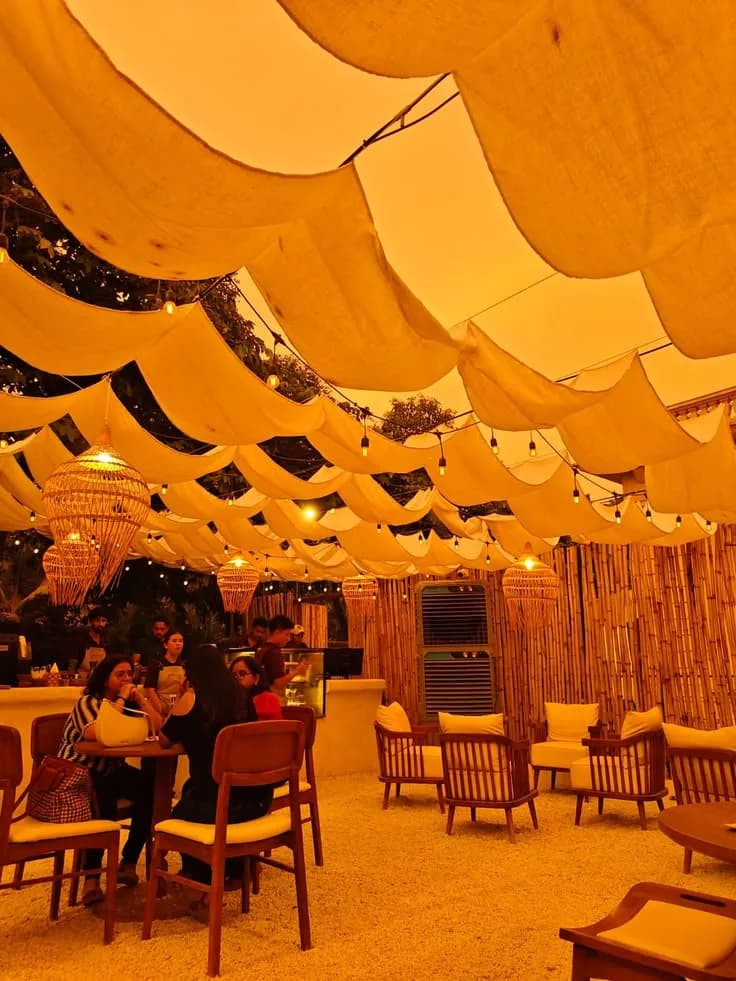
Move the weekly meeting to a cafe and the old seating chart disappears. So does control over the table next to you, the grinder behind the counter and the call that runs long. A different setting can interrupt office habits, but novelty does not complete the agenda.
Name the task the group must finish. A cafe suits informal conversation with light setup. A coworking room suits focused work that needs privacy and reliable infrastructure. A cultural or flexible space suits discussion, making or gathering when the character of the room is part of the reset.
Borrow the “third place” idea carefully
Sociologist Ray Oldenburg used third place for informal social settings apart from home and work. Conversation, ease of access and low barriers were central to the idea. His 2023 UNESCO essay with Karen Christensen describes these places as informal settings where people can come and go, meet regulars and talk. Read their account of third places in the UNESCO Courier.
A private meeting venue is not automatically a third place in Oldenburg's sense. It may require a booking, guest list and fixed duration. That distinction matters. This guide borrows the useful spatial question, not the formal label: can a setting outside home and the usual office help a group meet differently while still protecting the work?
The answer depends on the task. A lively public room may improve an informal catch-up and ruin a confidential review.
Name what the office keeps repeating
Do not leave the office merely because everyone feels stuck. Identify the pattern you want the new setting to interrupt.
- The same person takes the head seat and leads every discussion.
- Notifications, colleagues and ordinary operations interrupt the block.
- The room keeps the group facing a screen when the work needs paper or objects.
- People arrive in “meeting mode” and wait to be presented to.
- The team has no comfortable place to eat, pause or continue talking.
Write one behaviour you want less of and one you want more of. For example: less reporting to the founder, more pair work on customer problems.
That sentence gives the venue a job. It also prevents the search becoming a hunt for visual novelty.
Set the practical threshold for useful work
Every alternative setting should pass five checks before its atmosphere earns a vote.
Privacy
What will be spoken, shown or left on a table? A cafe may work for planning a public launch and fail for a compensation review. A private room inside a shared building may still have common corridors or washrooms. Use the Four-Layer Privacy Check when visual, acoustic or access control matters.
Sound
Can people speak at a comfortable level and hear across the intended layout? Music, coffee equipment, adjacent events and hard surfaces can change over the day. Check a comparable time if discussion is central.
Power and connectivity
Count the devices that genuinely need power and the work that fails without internet. Ask the venue what it provides and what remains the organiser's responsibility. A strategy session using printed material needs less infrastructure than a collaborative working session in cloud tools.
Duration and control
Can the group stay for the whole block without table turnover, public service or another booking reshaping the session? Confirm setup and pack-down, not only the meeting time.
Physical work
Where will people write, display, sort or build? A large table helps until it fixes everyone in one conversation. A blank wall helps only when the host permits the intended use. Chairs that can move may matter more than an impressive screen.
If a space fails one critical threshold, its character cannot compensate.
Compare three operating models
Cafe
A cafe provides hospitality without requiring the organiser to run it. It can soften a one-to-one conversation, informal planning session or short team catch-up.
The trade-off is limited control. Sound, seating, service and neighbouring customers remain part of the setting. Even a reservable table may not provide visual or acoustic privacy. Use a cafe when public energy helps and the work can tolerate interruption.
Coworking meeting room
A coworking room usually offers a familiar working setup: table, chairs, power, internet and a door. It suits reviews, client calls and sessions where the output matters more than the setting.
The trade-off is continuity with office habits. The room can reproduce the same hierarchy and screen-led behaviour the team hoped to interrupt. Change the layout or facilitation if a change of room alone is not enough.
Cultural or flexible space
A gallery, studio, library-like room or community venue can give the session a different scale and pace. It may support wall work, objects, movement or a more deliberate arrival.
The trade-off is more planning. Furniture, AV, food and working surfaces may be less standard. Confirm what is included and what may move. Character is useful when the task benefits from it, not as a reward for leaving the office.
Use the Task-Fit Test
Choose the task that occupies most of the session, then use its venue test.
Strategy
You need protected time, the ability to challenge assumptions and enough surface to see the whole problem. Prioritise privacy, writable or pin-up space, and a layout that does not put one person permanently at the front.
Making
You need materials, power, mess tolerance, storage and a visible work-in-progress. Prioritise tables, surfaces, cleanup rules and setup time. A pretty cafe table is rarely a workshop bench.
Conversation
You need comfortable speech, faces in view and an edge for anyone who needs a pause. Prioritise sound, distance and a layout suited to the group. Use ALTR's conversation layout chooser before defaulting to a boardroom.
Celebration
You need hospitality, an easy arrival and fewer work cues. Prioritise food, comfort and a room that lets the group linger without pretending the session is still a meeting.
Score each candidate as supports the task, supports it with one planned change or distracts from it. Do not average away a critical distraction.
Plan the change of scene, not a day out
A different venue can create a useful break in routine. Make the break visible in the programme.
Try one of these:
- Change the first ten minutes. Begin with an object, question or paired walk rather than the usual deck.
- Change who owns the surface. Put the work on a wall or central table instead of one person's screen.
- Change the group size. Use pairs or small clusters before the whole-room discussion.
- Change the ending. Leave with a photographed decision map, assigned next step or prototype rather than a verbal recap.
The room gives permission for these changes. The facilitator still has to make them happen.
Send a task-first brief
Use this form:
We need a four-hour working session for a small team. The main task is [strategy, making or conversation], and we need to leave with [specific output]. We want less [old pattern] and more [new behaviour]. Please confirm privacy, normal sound, furniture movement, wall or table use, power, internet, food and the full access window.
Add the real city and arrival requirements, then let the venue answer. Avoid asking for “an inspiring space” without explaining what the inspiration must help people do. If the session expands into a full team day, carry the chosen operating model into the small-team offsite plan.
Explore alternative work and gathering spaces with the Task-Fit Test beside the listing gallery. Choose one old meeting habit to interrupt and write the finished output at the top of the brief. If the room cannot support both, the change of scene is decorative.