Your Team Offsite Needs a Change of Context, Not Theatre Seating
Choose an offsite venue around the behaviour and decisions you want, with room for focus, discussion, breaks and a clear output.
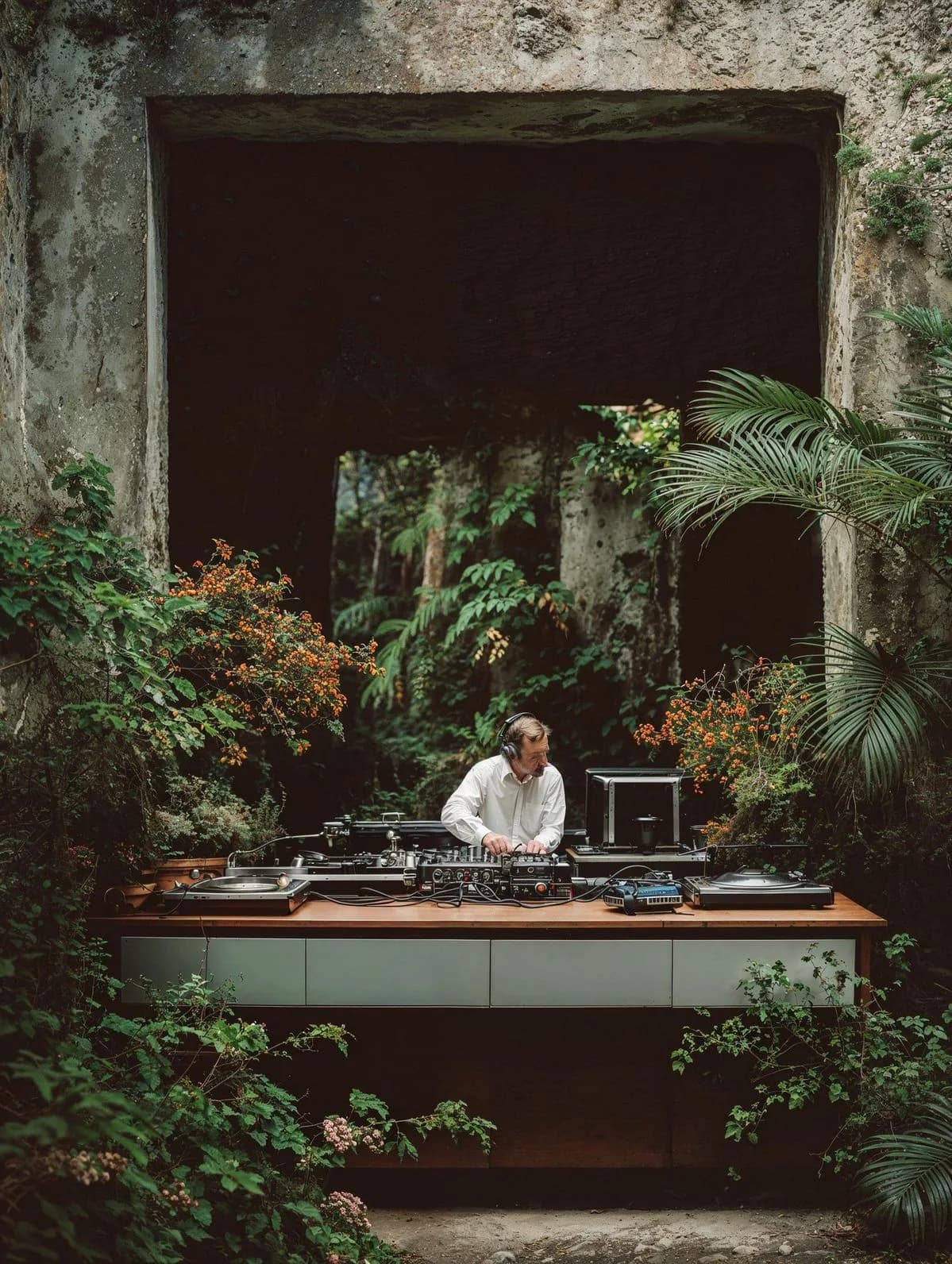
A change of address does not automatically create a useful offsite. Choose the room around the behaviour you want to change: longer thinking, more candid discussion, faster decisions or better work across roles. The setting should feel different enough to interrupt office habits, while still giving the team a screen, power, privacy and a surface on which to finish the work.
Name the behaviour before the venue type
“Team bonding” and “strategy day” describe intentions, not room requirements. Ask what the team does now and what should happen differently for one day.
If the same voices lead every discussion, change the facilitation first, then choose a room that supports pairs or small groups before the full-group decision. A circle alone will not redistribute attention. If calls fragment the work, protect one private room and a clear phone policy. If a decision keeps drifting, make the decision log visible and reserve enough uninterrupted time to finish it.
Write the behavioural brief in one line:
We need 12 people to compare three options, disagree constructively and leave with one owner and deadline for each decision.
That line helps you reject a room that looks restorative but cannot support the work.
Balance distance from work with the ability to work
An offsite should not reproduce the office exactly. It also should not make basic tasks difficult.
A firm centre for difficult decisions
Give the team one place where everyone can see the same information and one another. That could be a shared table, a clear wall with movable chairs or a screen paired with a visible writing surface.
Check the weakest sightline. Confirm the screen connection, Wi-Fi, sockets and any adapters. If the final output will live in a shared document, test the connection rather than assuming it will support every device.
A softer edge for reflection
Some parts of an offsite need a change in posture. A quieter corner, terrace, courtyard or second room can help pairs think aloud without turning the whole day into a presentation.
Do not count an outdoor area as essential working space without a weather fallback. Ask what remains usable if rain, heat or building activity changes the plan.
A route for movement
Long sessions benefit from physical transitions. The room may allow a short walk, standing review or movement between small groups. You do not need a retreat property to create this. You need enough clear floor and permission to move the furniture.
Avoid the all-day presentation trap
Theatre seating makes attention flow towards one person. That is useful for a briefing and weak for shared problem-solving. If the agenda contains several long decks, the venue cannot rescue the format.
Alternate the mode of work:
- Brief the whole group
- Let individuals write before discussion
- Compare in pairs or small groups
- Return to one visible decision
- Move or break before the next block
Ask whether chairs and tables can shift quickly. Keep the reset simple enough that the team can do it without waiting for venue staff.
Check the unglamorous essentials
A room feels generous when ordinary needs are easy to meet.
Work basics
Confirm:
- Stable Wi-Fi in the actual working area
- Screen, connection and readable position
- Enough sockets without cables across walking routes
- Writeable surface or permission for freestanding boards
- Comfortable seating for the longest focused block
- Privacy from other guests and staff circulation
- A place for bags that does not shrink the room
If confidential information will be discussed, ask what is shared and who can enter during the booking. “Private area” may still use a common corridor or washroom.
Food without losing the day
Decide whether food is a break, a social block or part of the working session. Serving a meal inside the main room can extend the reset and leave smell or noise through the next agenda item. A nearby service area may keep the working surface clear.
Ask when food arrives, where it waits and who clears it. Give dietary requests to the responsible provider by their deadline. Keep water and simple refreshments available without creating a constant interruption.
Plan the team journey
Do not write one generic travel estimate for the whole team. Collect starting areas, choose a call time and check routes for that day and hour. Share the exact entrance, a current landmark and the organiser's phone number.
A room that is central on a map may still have a difficult final approach. A room farther away may give a cleaner arrival for most of the group. Compare the actual team journey, not a neighbourhood reputation.
An illustrative one-day rhythm for 12 people
This schedule is a planning asset, not a claim about how every team should work.
- 09:30, arrival: Breakfast, room orientation and individual prompt.
- 10:00, shared frame: What decision must the day produce, and what is outside scope?
- 10:30, quiet work: Each person writes evidence, concerns and options before discussion.
- 11:00, small comparison: Groups test the options and record disagreements.
- 12:00, full-group decision block: Resolve what can be resolved and name missing information.
- 13:00, lunch away from the working surface: No deck.
- 14:00, movement and reset: Pairs walk or use a softer zone to test implementation risks.
- 14:45, build the plan: Owners, dependencies, dates and first actions.
- 16:00, break: The organiser checks whether the promised output is complete.
- 16:20, commitment review: Each owner states the next action and support needed.
- 17:00, close: Photograph physical work, save digital notes and return the room.
The important feature is the alternation between input, individual thought, small discussion and decision. Adjust the timings to the work and the venue.
Choose for the output you need
Before booking, write the artifact the team must leave with: a ranked list, a launch plan, a set of principles, a resolved roadmap or an owner-by-date decision log. Ask where that artifact will be visible and how it will be captured. Use the workshop venue scorecard when the agenda moves between learning modes, or the task-fit comparison when you are still choosing between a cafe, coworking room and flexible space.
Then send the venue a plain brief with headcount, working modes, furniture changes, food timing, privacy and technical needs. Explore spaces for a small team day. Compare each room by its ability to support the work, the breaks and the final decision.