Natural Light Is a Starting Point, Not a Lighting Plan
Check window direction, timing, surfaces and fallback options before booking a natural-light studio for a photo or video shoot.
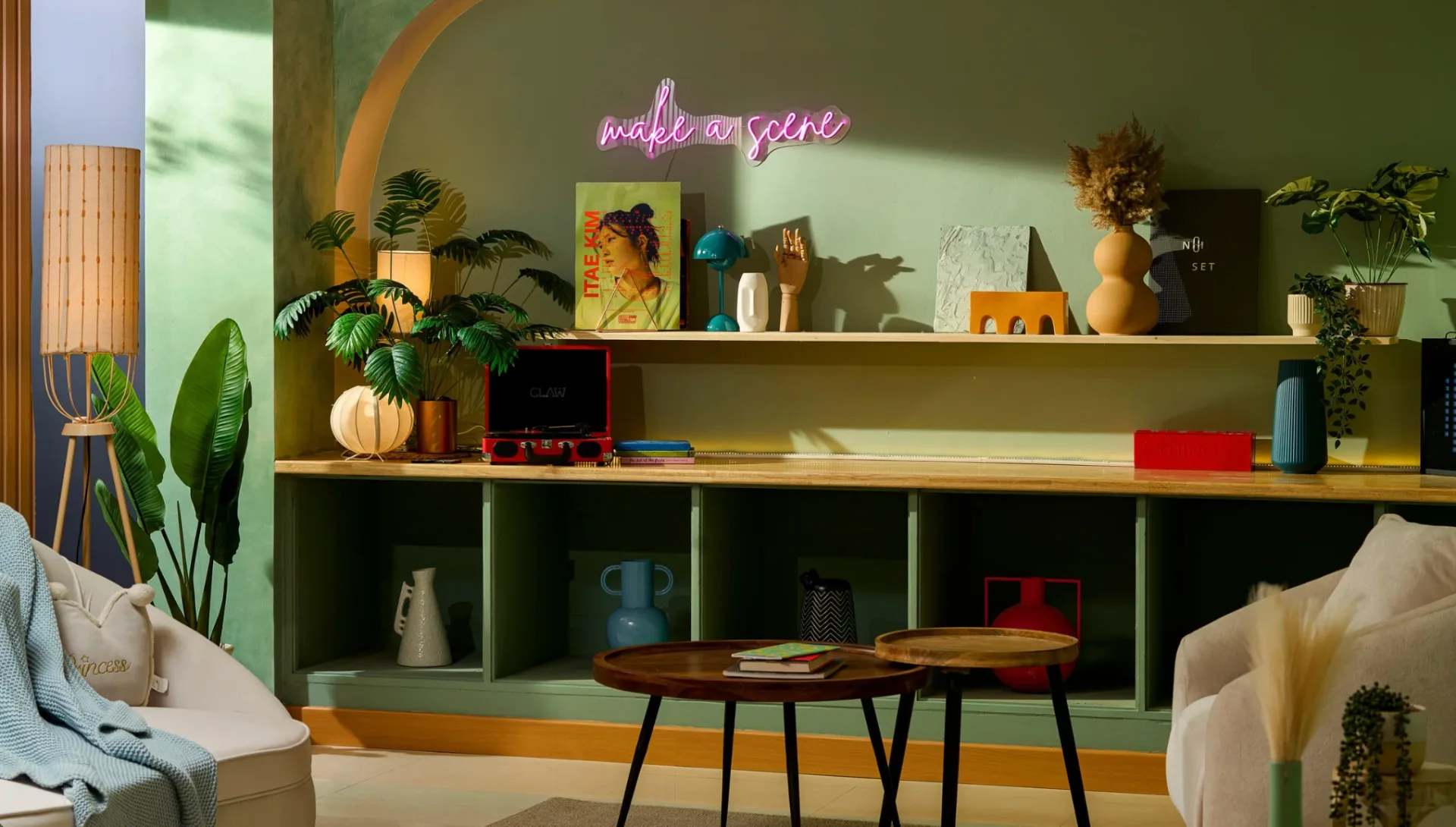
A studio can look bright in its gallery and still give you the wrong light for your call sheet. Before booking, ask when the photographs were made, which direction the windows face, what blocks them and whether you can control the room when daylight changes. “Natural light” describes a source. It does not tell you what that source will do during your shoot.
Ask when the listing photographs were made
Light in a room is time-specific. The same window may give direct sun, soft ambient light or very little usable light at different hours. Season, cloud, nearby buildings and the height of the window can change the result again.
Ask the host for the approximate time and conditions behind the images you like. If that information is unavailable, treat the photographs as a record of one moment, not a promise for your booking.
Direct sun and soft light solve different briefs
Direct sun creates defined shadows and can make texture, movement or a particular mood central to the frame. It also moves. A composition built around one patch of sunlight may need to be completed quickly.
Soft ambient light gives more freedom to move a subject and maintain continuity. It may still be too dim for the camera settings, movement or depth of field you want. “Bright to the eye” is not a technical measurement.
Decide which quality you need before asking whether a studio has good light. The useful question is closer to this:
We need soft window light across a seated subject between 11 a.m. and 1 p.m., with room for a small backup light and the option to reduce direct sun.
That brief gives the host something they can check.
Read the architecture around the window
Window size is only one part of the picture. Look at direction, height, depth and what sits outside.
Direction and obstruction
Ask which way the main windows face. Then ask what stands opposite them. A nearby wall, balcony, tree or taller building can bounce, colour or cut the light. Do not infer direction from a listing image.
If daylight is central to the job, arrange a site visit close to the proposed shoot time. Record the date, time and weather in your notes. Take test frames from the intended subject position, not only from the most photogenic corner.
Window height and room depth
A tall window can carry light farther into a room. A low or deeply recessed window may create a narrower working zone. Note how quickly the exposure falls as the subject moves away from it.
Room depth also affects crew movement. A beautiful pool of light beside a wall is less useful if the camera cannot move back far enough for the required frame.
Walls, floors and reflected colour
White and pale surfaces often return more light into a room. Dark materials absorb more. Strongly coloured walls, floors or curtains can influence skin, clothing and product colour.
Look at every large surface facing the subject. Ask what can be covered or moved. If accurate product colour matters, include a colour check in the test rather than assuming it can be repaired later.
Plan for light that moves
Continuity matters when shots made hours apart need to sit together. Daylight can change in strength, direction and colour during a booking. A cloud passing over the building may be enough to alter a sequence.
Order the shot list around that reality:
- Reserve the most time-sensitive sun effect for its observed window
- Group angles that need matching light
- Use stable ambient periods for longer dialogue or movement
- Keep product details that demand consistency near the controlled-light part of the day
- Decide which frames can tolerate a visible change
This is not a reason to avoid daylight. It is a reason to assign it a job.
Bring control to a natural-light studio
A reliable plan can subtract, shape and replace light.
Ways to reduce or shape daylight
Ask whether the venue has curtains, blinds or blackout. Check how completely they cover the relevant windows. A thin curtain may soften direct sun without darkening the room. Blackout material may need approval and a fixing method that protects the surface.
Portable diffusion can soften a smaller area. Negative fill, often a dark surface placed near the subject, can restore contrast in a pale room. Reflectors can send window light towards the shadow side. Each tool needs floor area and a safe stand position.
A backup source needs more than a socket
If you bring lights, confirm available power, socket position and cable routes. Ask whether other equipment shares the circuit. Keep cables out of walkways or protect them properly.
The backup should match the risk. A simple portrait may need one modest source. A moving video sequence may require a more controlled plan. Let the cinematographer or photographer specify the equipment rather than treating a lamp on an amenities list as a complete solution.
The time-stamped light test
Use this original five-point test during a site visit. Repeat it from every important setup.
- Record the conditions: Date, time, weather and room lights in use.
- Make a wide frame: Show windows, subject position, camera position and nearby surfaces.
- Make a reference frame: Photograph a face, neutral product or colour reference at working exposure.
- Wait ten minutes: Repeat the reference frame without moving anything.
- Test control: Close the curtain or blind, then place the backup source where it would stand.
The ten-minute gap reveals the direction and speed of change. It does not predict the whole day, but it tells you whether the setup needs a tighter schedule or stronger control.
Send the host a light-specific brief
Before paying, put these questions in one message:
- Which direction do the main windows face?
- At what time were the listing photographs made?
- What currently sits outside or shades the windows?
- Can curtains, blinds or blackout reduce the daylight?
- May we bring stands, diffusion and lighting equipment?
- Where can the crew draw power and place cables?
- Can we visit near our proposed shoot time?
Then match the answers to your shot list. A room with changing light may suit stills built around a brief sun window. A room with less dramatic but more stable light may be stronger for interviews or catalogue work. Put the light window inside the productive shoot-hour plan, and verify it during the 30-minute venue recce.
Browse Bangalore spaces listed for content shoots. When a studio interests you, ask for a time-specific light check before relying on its gallery. The booking decision should follow the light your schedule needs, not the brightest photograph on the page.