How Many Venue Hours Do You Actually Need?
Work backwards from doors open to calculate access, setup, event, reset and handover time before choosing an hourly, half-day or full-day booking.
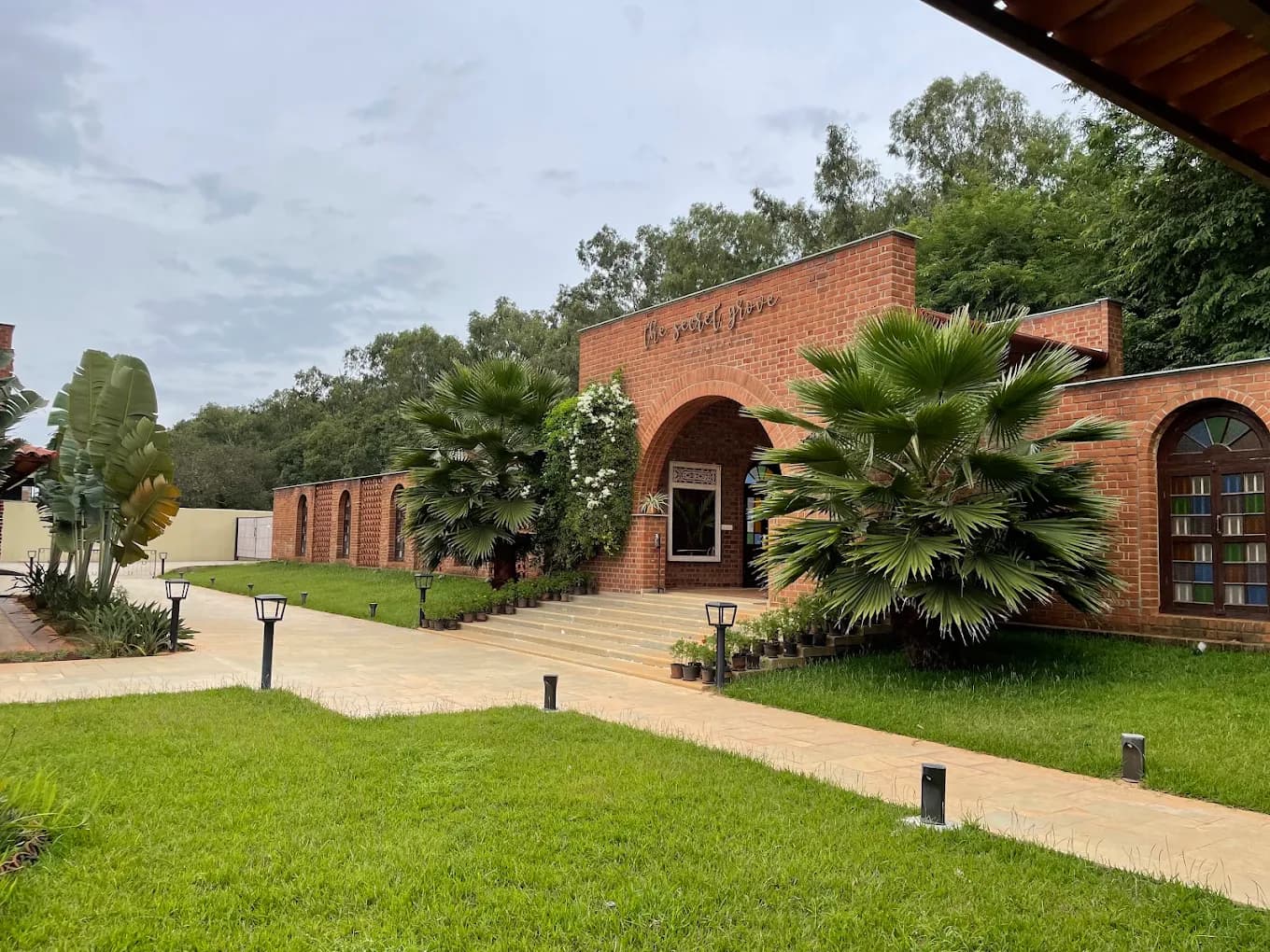
An event that runs for three hours rarely needs a three-hour venue booking. The room has to open, receive equipment, change shape, host people and return to the agreed condition. Work backwards from the time guests leave, then add access and handover. That total, rather than the programme length, should decide whether you book by the hour, half-day or full day.
The booking starts before the guest experience
Your guests see a finished room. The booking clock sees everything that came before it.
Access may begin with a key handover or building check. Equipment needs to move from the vehicle to the room. Furniture may need rearranging. A screen, microphone or camera has to be tested where it will actually be used. Food may arrive through a different entrance. None of this is guest time, but all of it is venue time.
Access and load-in
Ask when your team can cross the venue threshold, not when the host plans to unlock the door. A loading route can include building security, a shared lift, stairs and a walk from the nearest vehicle stop. If two vendors depend on the same lift, they may have to arrive in sequence.
Put these details in writing:
- Earliest access time for the organiser
- Earliest access time for outside vendors
- Loading entrance and vehicle restrictions
- Lift or stair route for large items
- Person responsible for opening the space
Setup, checks and a quiet buffer
Setup is complete only when the room works, not when the furniture is in place. Allow time to connect a laptop, hear the sound at programme volume, check the camera frame, place signs and clear packaging from the guest route.
Then leave a short quiet buffer. This is the part that absorbs a missing adapter, a late food delivery or a chair count that needs correcting. Without it, the first guests become part of the setup crew.
Build the clock backwards
Start at the final handover and move towards access. Backwards planning exposes work that a simple start-to-finish estimate hides.
The backwards booking worksheet
Write one time beside each line:
- Venue handover: When must the room be empty, tidy and ready for inspection?
- Pack-down ends: How long will decor, equipment, stock and waste take to leave?
- Guests leave: Is there a hard close, or will people naturally linger?
- Programme ends: Does food, conversation or photography continue afterwards?
- Doors open: When can the first guest enter without seeing setup?
- Final check begins: When will sound, light, seating and signage be tested?
- Setup begins: Which task starts first, and what must happen before it?
- Load-in begins: When can equipment and supplies reach the room?
- Access begins: When does the booking need to start?
The gap between points nine and one is your working duration. Add a modest buffer where an uncertain dependency could affect everything after it.
When hourly booking makes sense
Hourly venue hire suits a brief with few moving parts. A recorded conversation with a fixed setup, a small planning session or a repeatable content shoot may need one arrival route, little furniture movement and a short reset.
It works best when:
- The setup is light and familiar
- The attendee arrival time is controlled
- Equipment can be tested quickly
- No outside vendor has a separate schedule
- Pack-down is simple
An hourly listing may still have a minimum booking period. Ask about that before comparing its hourly rate with a half-day option. Also confirm how the host treats additional time. An apparent two-hour saving can disappear if the booking needs one unplanned extra hour at a different rate.
When a half-day gives the plan room to breathe
A half-day often suits workshops, pop-ups, small launches and shoots with several setups. These formats contain transitions. People move between listening and working. Products move from storage to display. A crew changes the set, wardrobe or light.
The useful comparison is not “four hours versus eight.” It is the amount of productive time left after access and return. A short booking with 75 minutes of setup and 45 minutes of pack-down may leave less working time than expected. A longer block may also let vendors arrive in a calmer sequence instead of competing at the door.
Choose the half-day when the plan is defined but compressed access would make one late task threaten the programme.
When the full day earns its cost
A full day can be the more controlled choice when the room must serve several jobs. Think of a shoot with multiple scenes, an offsite that moves between focused work and dinner, or a launch with a technical rehearsal before guests arrive.
The additional time has value only if you assign it a job. Use it for a proper load-in, a rehearsal, a meal break, a lighting change, guest photography or an orderly pack-down. Do not pay for a full day simply because the brief is vague. Clarify the sequence first, then see whether the longer booking solves a real constraint.
Four quick duration tests
Use these as planning prompts, not fixed schedules.
A podcast episode
Count access, equipment check, guest arrival, conversation, a second recording if needed, file confirmation and pack-down. If the room and recording chain are unfamiliar, protect more time before the guest arrives.
A product shoot
Count load-in, styling, light check, every set or wardrobe change, selects review, reset and load-out. The number of looks usually matters more than the final video or photo duration.
A workshop
Count furniture arrangement, materials, screen check, registration, the session, breaks, informal questions and room return. If participants will create physical work, include cleanup and drying or packing time.
A private dinner
Count table setup, food and beverage preparation, guest arrival, service, speeches, time after the meal, clearing and vendor departure. Ask when the kitchen or service team needs access, since their clock may start before yours.
Put the duration agreement in writing
Before paying, confirm the access start, guest end, pack-down end and final handover. Ask what happens if your team finishes early, runs late or needs more setup time. Check whether the booking includes a buffer between you and the next guest, or whether the handover time is exact. Use the setup dependency guide when several vendors share the access window, then put the complete working block into the venue cost comparison.
Your duration should feel slightly uneventful on the day. That means the calculation worked. Compare live venue options by price, then ask each host to quote against the same access-to-handover schedule. The comparable number is the cost of the complete working block.