The Hourly Rate Is Not the Venue Budget
Compare venue quotes on the cost of the complete job, including access, equipment, staff, service, cleaning, overtime and preventable risk.
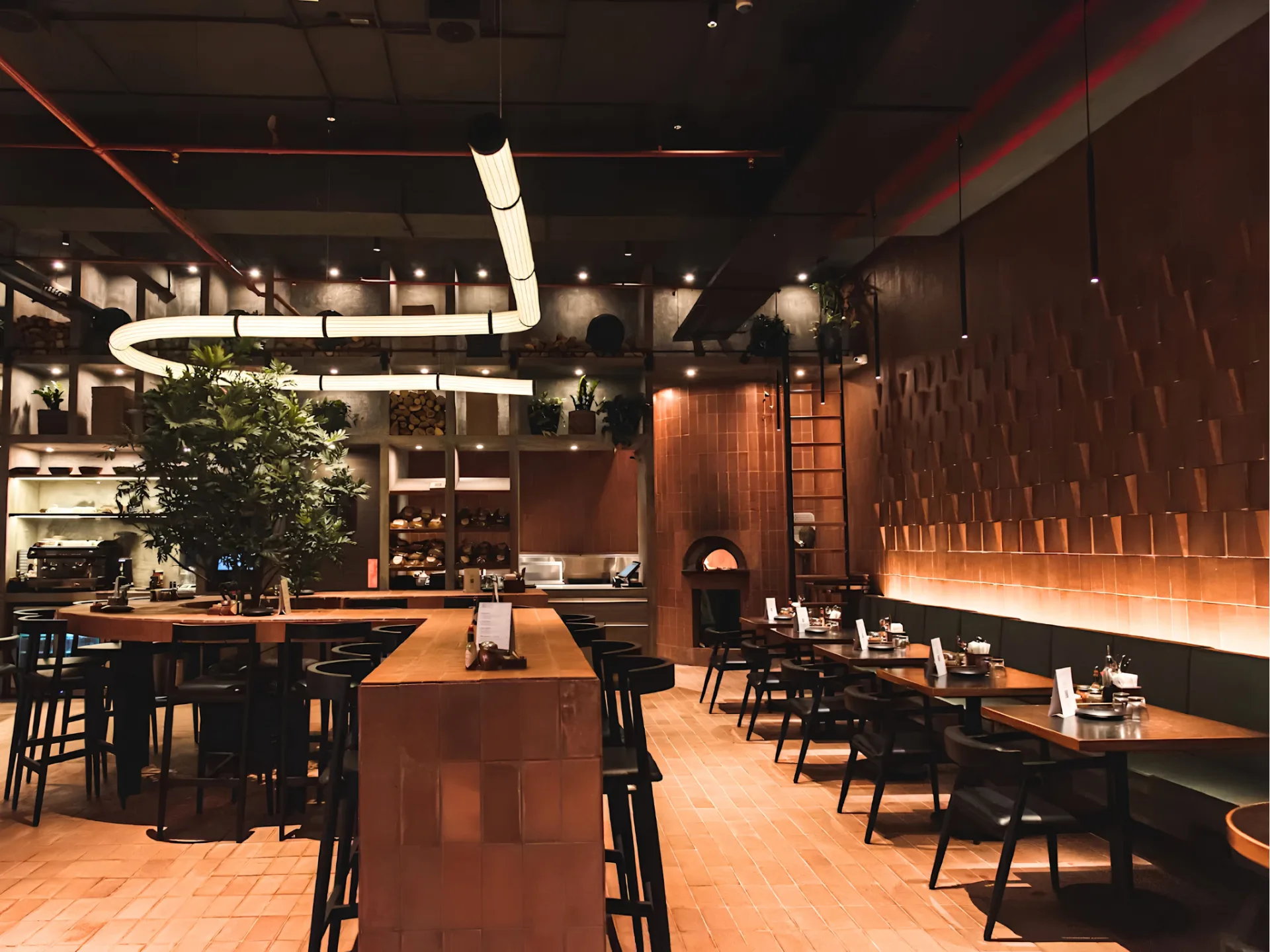
A room quoted at less per hour can cost more before the first guest arrives. The difference may be two extra access hours, hired chairs, a technician, a longer equipment carry and a cleanup charge that appeared late.
The fair comparison starts with the complete brief. Put access, guest time, setup, staff, equipment, food, cleaning, overtime and venue-created external costs on one sheet. A higher room rate is economical when it removes work you already need to buy.
This venue hire cost checklist uses fictional examples and gives no tax or financial advice. Ask each host for a written quote based on the same brief.
Price the complete job
Start by sending every venue the same brief. First, write a one-page venue brief that states the complete working window. A quote for “four hours” is not comparable if one host includes setup and another starts charging when the door opens.
Separate the clocks
Write one timeline from access and load-in through setup, technical checks, guest or production time, pack-down and handover. Add any minimum booking period and the unit used to charge overtime.
Ask when paid time begins and ends. If a team needs six working hours inside, comparing four-hour room rates solves the wrong problem.
Count people, equipment and consumables
List what the venue supplies and what the organiser must bring. Include operators, service staff and security when the format needs them. Consumables can include cleaning materials, drinking water, ice, tape, batteries or protective floor covering. Small lines become a real difference when one quote bundles them and another does not.
Mark every line included, optional or external
Use three labels across both quotes.
- Included: part of the quoted total for the defined booking.
- Optional: available for a stated additional amount.
- External: the organiser must source, coordinate and pay for it elsewhere.
“Available” does not mean included. “Allowed” does not mean the venue can provide it.
Start with the spaces and objects: which rooms, terraces, support areas, tables, chairs, display surfaces and storage does the quote cover? Ask who resets furniture and whether the original layout must be restored.
Then record equipment and people. Price screens, sound, lighting, cables, internet and operators separately. Add venue staff, cleaning, security, lift operation, technicians and any building approval the format requires.
Finally, separate food and service from room hire. Include catering, staff, crockery, water, clearing, waste, minimum spends, outside-vendor charges and preparation space. Alcohol rules and permissions vary by venue and event, so get current written terms for the exact plan.
Find costs created by the room
Some costs will never appear on the venue invoice. They exist because of how the room works.
Access and transport
A long carry from the vehicle can require more crew time. Restricted lift access can force a smaller equipment plan. No holding area may mean timed deliveries. Price the consequence, not the phrase “easy access.”
Substitutions
A room without blackout may require a controlled-light setup. A hard, reflective room used for recording may need treatment or a different location. A layout with fixed furniture may require more staff or fewer guests. Add only costs your actual plan creates.
Weather and backup
For an outdoor component, ask what covered space is included and what must be hired. Record backup power only when the event requires it, then confirm the equipment and operation with the responsible provider.
Use the complete-brief comparison sheet
Copy these lines into a spreadsheet or note. Give every blank an owner rather than treating it as zero.
Booking
- Room hire for total access period
- Setup or early-access charge
- Pack-down or late-handover charge
- Extra rooms and storage
- Overtime unit and rate
Operations
- Furniture and reset
- Equipment and operators
- Venue staff, security and cleaning
- Internet or power requirements
- Loading, transport and parking arrangements
Guest service
- Food and drink
- Service staff and tableware
- Water, ice and consumables
- Waste removal
- Accessibility support agreed for the event
Commercial terms
- Applicable taxes stated by the supplier
- Refundable deposit and return conditions
- Booking payment schedule
- Cancellation or date-change terms
- Damage and extra-cleaning terms
Add external suppliers below each venue, then calculate a complete working total. Keep refundable deposits visible but separate from the final cost, since they still affect cash required before the event.
Compare productive cost, not only booked cost
Here is a fictional method, with no claim about current ALTR listings.
Venue A costs 10 units per hour for six hours. It includes the required furniture and one setup hour within that period. Venue B costs 8 units per hour, but needs seven paid hours plus furniture worth 12 units and additional transport worth 6.
The complete working totals are 60 units for Venue A and 74 units for Venue B.
If both deliver four useful programme hours, their productive-hour costs are 15 and 18.5 units. The cheaper room rate did not produce the cheaper event.
This calculation is valuable because it exposes assumptions. Replace every fictional line with a written figure from the host or supplier.
Settle commercial terms before paying
Ask the host to put the exact spaces, dates, access times, included quantities and staffing hours in the booking record. The same record should state accepted extras, taxes and invoice treatment, deposit return conditions, overtime and damage charges, cancellation or date-change terms, and the person authorised to approve additions during the booking.
Do not rely on a general policy when your written quote adds a different term. Ask for clarification before paying, and obtain qualified advice for tax or legal questions specific to your situation.
Price the risk you can prevent
Not every risk deserves a contingency line. Price the ones the venue choice changes: a difficult load-in, uncertain weather cover, a missing technician or setup compressed by access rules. Then decide whether to pay for prevention, simplify the plan or choose another space. Use the venue inclusions test to expose gaps in each quote, and check how many venue hours the complete job needs before comparing totals.
Build a shortlist by budget, then send each host the same brief and comparison sheet. Put one question at the top of the sheet: “What will this complete job cost in this room?”