A Blank Wall Is Not an Empty Idea
Five useful jobs for a neutral wall, with the surface, distance, fixing, power and restoration questions that make each one work.
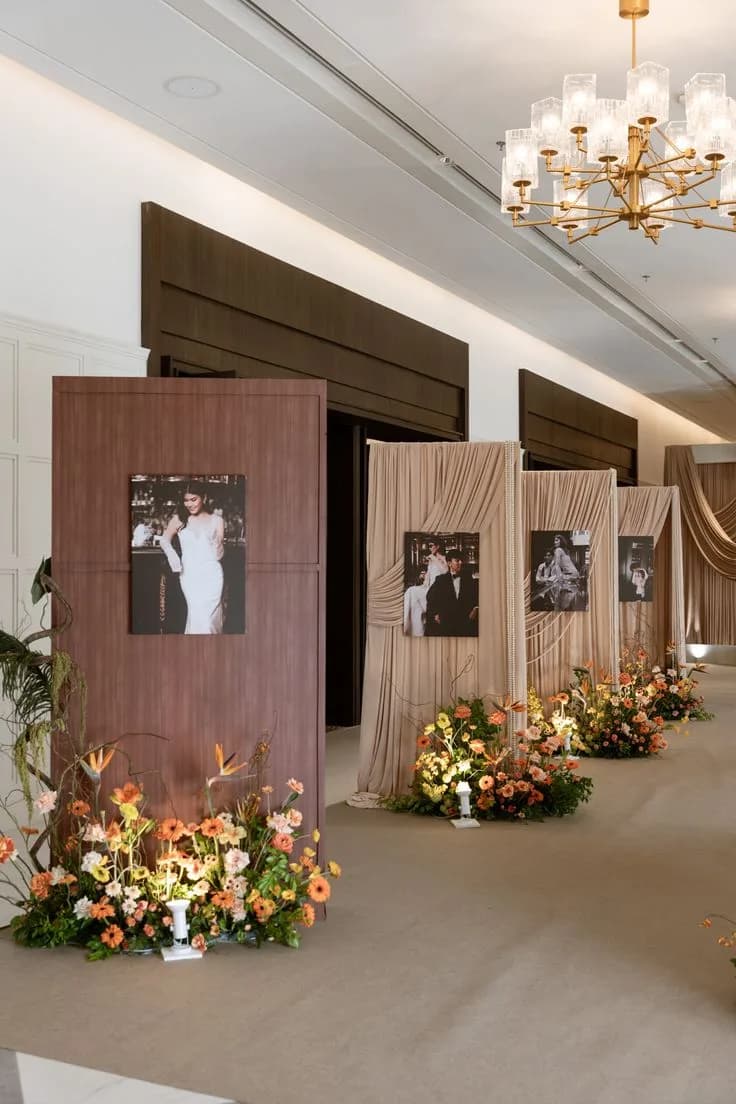
A plain wall can look like the least useful part of a venue gallery. In the room, it may be the only surface that can hold the programme together. It can carry a projection, collect workshop output, frame a product or return soft light. Each job asks something different of the same rectangle.
Choose a flexible creative space by assigning its main surfaces a job before you book. “White wall” is not a specification. Check texture, colour, reflectance, fixings, power, clear distance and restoration rules. A neutral room becomes useful when the organiser knows what should appear, happen or disappear against it.
Decide what the wall must do
Start with a verb. The wall should display, reflect, hold, frame or disappear. Avoid asking one surface to do all five without a change plan.
Display
The wall presents art, photographs, information or product. The important questions are fixing method, sequence, viewing distance and light.
Ask whether the display needs to be read close up or understood from across the room. A grid of small labels may work in a gallery flow and fail at a crowded launch. Mark the nearest and farthest useful viewing positions on the floor.
Do not assume nails, screws, tape or removable vinyl are allowed. Send the host the exact weight and fixing system. A freestanding rail or panel can protect the wall, but it consumes floor area and needs a stable base.
Reflect
The wall returns light into a shoot, display or room. Colour and finish matter as much as brightness. A warm off-white surface can shift product colour. A textured wall can break an even wash into visible variation.
Test with the intended light direction. Stand where the subject or product will be, not only where the camera sits. Ask whether daylight changes during the booked hours and whether other surfaces introduce colour.
If repeatable colour is central, bring a controlled surface or choose a studio built for it. The venue wall should not be blamed for doing what its finish naturally does.
Hold
The wall collects work during a workshop: notes, maps, prints, schedules or prototypes. It becomes a shared memory for the room.
Calculate the area by the number and size of items, with gaps for grouping and labels. Then choose a permitted attachment method. If nothing can touch the wall, use pinboards, magnetic boards, easels or freestanding sheets.
Plan removal while participants are still present if the output must be documented. Photographing a dense wall during pack-down often produces glare, shadows and missing context.
Frame
The wall creates a clean visual field for a product, person, performance or camera. The job depends on width, height, corners, floor junction and the objects that cannot move.
Check the full camera frame at the intended focal length and distance. A socket, skirting board, ceiling fixture or door may enter the shot. That may be useful evidence of a real room or an unwanted interruption. Decide before booking.
A simple frame gives the brand more ownership than a recognisable set, but it also asks the art team to supply the idea. Compare that burden with the styled-studio brand-fit test.
Disappear
Sometimes the wall should recede behind projection, lighting, a drape or a temporary set. Disappearance still has technical requirements.
Confirm whether the covering can stand independently, how it avoids blocking ventilation or exits, and where its supports land. Check what happens at the edges. A floating drape can look unfinished when the camera sees the return wall or floor.
If a surface must be fully hidden, ask whether the simpler decision is to book a venue with the right built-in background.
Test the surface, not only the colour
Run the ALTR Surface Check during a site visit or through host-provided close photographs.
Texture
Look across the wall in side light. Texture that disappears in front light can become strong under projection or a low-angle lamp. For display, decide whether the surface competes with small work. For shoots, test whether texture adds depth or unwanted shadow.
Finish and reflectance
Matte, eggshell and gloss surfaces return light differently. You do not need a laboratory number for an early shortlist, but you do need to see the surface under a comparable light. Projection and product colour deserve an on-site test.
Marks and repairs
Ask which marks are existing and how the host records condition. A wall intended for flexible use may carry honest wear. It may also have strict restoration rules.
Corners and floor junction
The edge of the wall affects display, lighting and camera framing. A continuous curved junction serves a different job from a skirting board or deep corner. Include the floor in every wall photograph.
Hidden services
Locate sockets, switches, vents, sensors, sprinklers and doors. Do not cover, hang from or obstruct building systems. Ask the host where temporary power and cables may run.
Give the wall enough distance
A usable wall needs clear floor area in front of it. Measure the activity, audience and equipment, not only the surface.
For projection, account for projector position, throw, audience sightlines and ambient light. For an exhibition, allow people to stop without blocking circulation. For a shoot, include subject-to-wall distance, camera distance, lights and crew movement. For a workshop, include people stepping back to read the whole output.
Use a simple distance sketch:
- Draw the wall to scale.
- Mark the active object or work zone.
- Add the closest participant or subject position.
- Add the viewing, camera or equipment position.
- Add a separate circulation route.
If the circulation route crosses the equipment position, the wall is not doing the job at the expected attendance.
Plan installation and return together
Every addition needs a removal method and owner. Put these points in the production brief:
- Exact fixing or support system approved by the host.
- Maximum weight per element and total load, where relevant.
- Floor and edge protection.
- Tools and access needed for installation.
- Power and cable path.
- Test area for adhesives or temporary finishes, if permitted.
- Condition photographs before and after.
- Removal, cleaning and restoration responsibility.
- Setup and pack-down time inside the booking.
“Removable” describes an intention, not an outcome. Materials behave differently on different finishes. The host's written approval and a small test protect both sides.
Five programmes, five wall briefs
Exhibition
We need a display surface for works of known size and weight, with host-approved fixings, even viewing light and enough distance for guests to stop without blocking the room.
Workshop
We need a surface that can collect and reorganise paper throughout the session, with a permitted low-damage attachment method and a clear final view for review and photography.
Screening
We need a surface or screen of the required aspect, controlled ambient light, a confirmed projector position, clear sightlines and a cable route that does not cross guest circulation.
Shoot
We need a clean camera field of a stated width and height, subject and camera distance, controllable light, power nearby and clarity on which visible room features can move.
Launch
We need the wall to frame the main product interaction, carry concise information and leave room for guests and media without turning the display into a queue barrier. Read the demonstration-first launch checklist before fixing the graphic plan.
Know when a styled space is more economical
A neutral room transfers creative control to the organiser. That is valuable when the campaign or programme has a strong visual system. It is expensive when the team has neither the time nor the suppliers to build one. Put every surface treatment inside the productive shoot-hour plan so installation and return do not quietly consume camera time.
Choose the styled space when existing furniture, surfaces and light already support the brief, the recognisable set is acceptable and host rules let you make the few changes you need. Choose the neutral space when adaptability, brand ownership or multiple programme states matter more.
When you browse studios and creative spaces on ALTR, do not count blank walls. Assign each promising surface one job and ask the technical questions that job creates. A simple room is not empty capacity. It is a set of choices the organiser has not made yet.