Before You Book a Pop-Up Venue, Map the Customer's 12 Metres
Walk the customer path from first sight to exit, then check stock, power, storage, deliveries and payment before booking a pop-up venue.
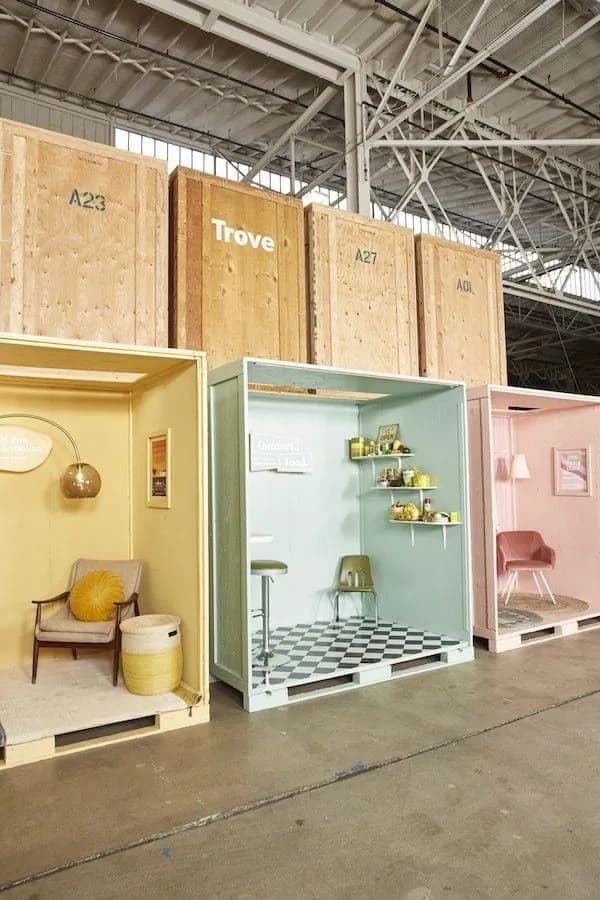
Before choosing a pop-up venue, draw the customer's path from first sight to departure. Give each part of that path one job: notice, enter, understand, touch, try, pay, share or leave. A flexible room is useful only when the offer becomes clear along that short journey and the operating work can happen behind it.
Draw the path before choosing the room
Start outside the space or at the building entrance. Walk towards the proposed display, then continue to payment and exit. Do not begin with where the most dramatic installation will stand.
At each point, write what the customer needs to notice or decide. Mark anything that interrupts the sequence: a security desk, turn, stair, narrow threshold, blank corridor, crossing queue or shared entrance.
From first sight to first touch
The first view should answer what is happening and where to go. That may come from the product, a clear sign, a host or a visible activity. Check what the venue and building allow at the entrance. A sign that works inside the room cannot help someone who misses the correct door.
Once inside, give the visitor a low-pressure way to understand the offer. A dense wall of products can make the first choice harder. A single demonstration, clear category or small story may orient them before staff step in.
From decision to payment
Trace the route from trying or selecting an item to paying, collecting it and leaving. Keep the payment queue away from the entrance and active display. Confirm mobile data or Wi-Fi where the payment device will operate, then carry a backup process appropriate to your business.
If orders are packed on site, give wrapping and stock movement a separate surface. The customer should not see staff searching through transport boxes unless that is deliberately part of the experience.
Give each metre one job
The “12 metres” in the title is a thinking device, not a required shop length. Use twelve numbered steps on a sketch of any venue. Assign a job to each step, combine steps where the room is small and leave intentional breathing space.
The 12-step customer-path asset
- Notice: What makes the right person look?
- Confirm: How do they know this is for them?
- Enter: Is the threshold obvious and comfortable?
- Orient: Can they understand the offer without a speech?
- Discover: What invites a closer look?
- Touch: Which products or materials may be handled?
- Try: Where does fitting, tasting or demonstration happen?
- Compare: Can choices sit beside one another?
- Ask: Where can staff answer without blocking others?
- Decide: Is there a calm moment before payment?
- Pay and collect: Can the transaction finish cleanly?
- Leave or share: Is the exit clear, and is content capture out of the way?
Walk the sequence at busy occupancy. If two jobs fight for the same metre, decide which one moves.
Check the commercial mechanics
A customer-facing floor depends on a quieter back-of-house plan.
Stock and storage
Ask what storage is included, whether it locks and when you can access it. Separate working stock from packaging, staff belongings and empty cases. If there is no hidden storage, design containers that can sit in the room without looking temporary or shrinking circulation.
Count stock at arrival and close. Name one person responsible for transfers between storage and display. Do not let every staff member use a different unofficial stock point.
Power and connectivity
Mark every device: payment terminal, phone, tablet, lighting, screen, speaker or product demonstration. Confirm socket position and safe cable routes. Ask what else shares the power supply.
Test connectivity from the exact transaction point. If the business depends on digital payment or order capture, choose a backup that follows your payment provider and operating rules.
Deliveries and closing inventory
Ask when a vehicle can stop, which entrance accepts goods, what lift or stair route applies and who meets the delivery. A pop-up that opens at noon may need access hours earlier.
Plan the last hour too. Customers, stock counting, packing and venue return should not all occupy the same floor at once. Confirm where packed cases can wait and when they must leave the building.
Match dwell time to the offer
A quick retail offer needs a legible route and fast transaction. A community-led pop-up may ask visitors to stay for a demonstration, conversation or workshop. Those formats need seating, water, sound control and a way for browsing to continue around the programme.
Estimate what one visitor does, then imagine several visitors doing it together. A mirror, tasting point or personalised demonstration can create a queue. Place it where waiting people can see the next step without closing the path for everyone else.
Do not assume passing activity outside the venue will become customers. If visibility or walk-in trade is central, verify it through current observation and understand what signs, frontage and entry arrangements are permitted. Avoid unsupported footfall claims.
Make content without blocking customers
A pop-up often needs photographs and short video. Place the content moment outside the transaction line. Give the camera enough distance, check what appears behind the subject and keep equipment away from the customer route.
If visitors may appear in brand content, establish a respectful consent process. A photogenic corner should not pressure someone into being recorded to enter, browse or pay.
Recce through the customer's eyes
Visit with your floor sketch, one product box and the largest item you expect to carry. Walk the route in order. Photograph the entrance from the approach, not only from inside.
Confirm in writing:
- Building and venue access hours
- Signage and frontage permissions
- Furniture, wall fixing and display rules
- Stock storage and security arrangements
- Power and connectivity responsibilities
- Delivery and collection route
- Food, demonstration or sound constraints
- Cleaning, waste and room return
- Any approvals that apply to your exact activity
Rules can differ by building and format. Ask the host what they require, and obtain qualified local advice if your activity raises licensing, safety, tax or consumer-compliance questions. If customers will try or watch the product, adapt the product interaction map. Put deliveries and closing stock into the setup dependency grid before fixing the access window.
Browse ALTR spaces that list pop-ups as a use case. Send the host your customer path and operating list rather than a moodboard alone. A useful room makes the product easy to understand while giving stock, staff and payment somewhere sensible to work.